Wells & Irrigation
Wells on rural Idaho land: what buyers should check
 Melissa Holm
· November 3, 2026 · 5 min read
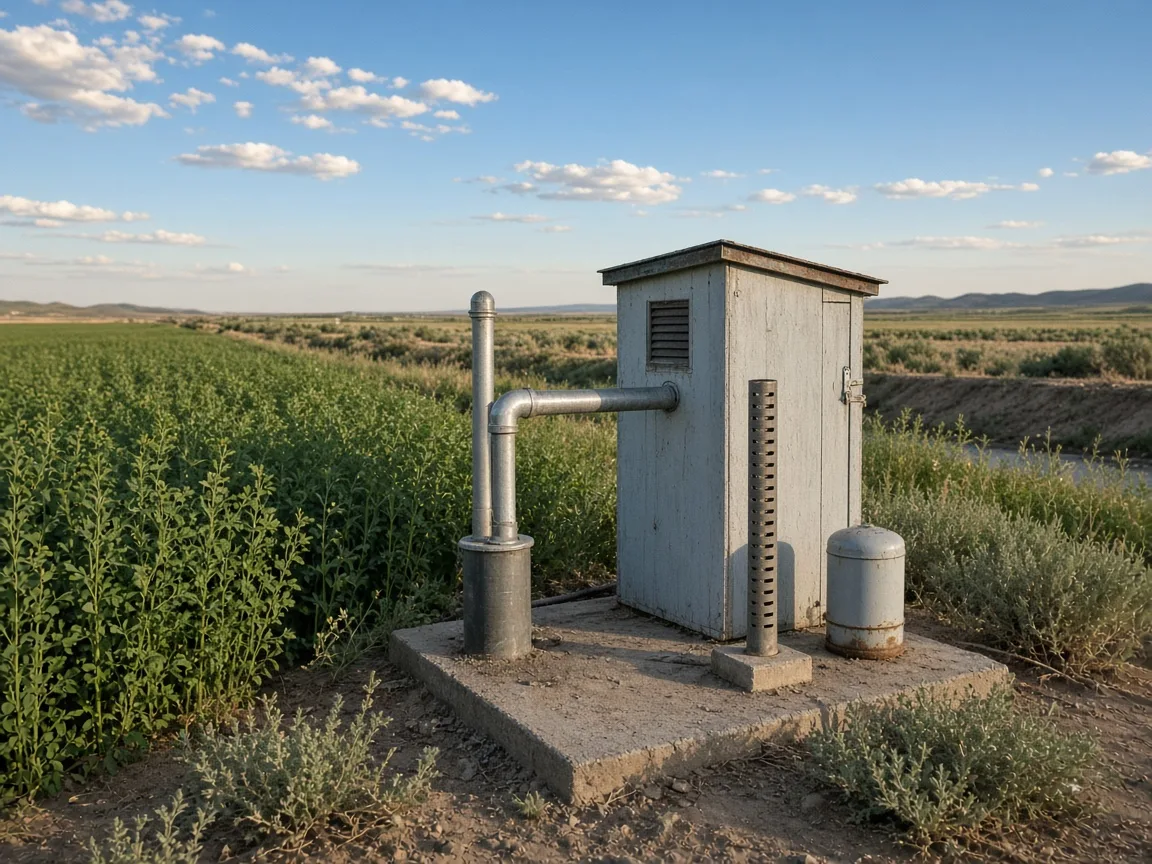
Rural property in Eastern Idaho often comes with its own source of water: a drilled well. Before you fall for the house and barn, take the time to understand how the well was built, what it produces, and what the water contains. It is easier to ask questions now than to re-drill later.
This is the short version of what I check with buyers on every rural purchase: permits, records, and water quality.
A well needs a permit
Idaho requires a drilling permit from the Idaho Department of Water Resources before any well is drilled (Idaho Code § 42-235), and the owner or a licensed driller obtains it. A domestic well is exempt from holding a separate water right only up to 13,000 gallons per day and half an acre of irrigation (Idaho Code 42-111). Beyond that, the well falls under the water right system and needs its own paperwork.
A buyer should confirm the permit exists and that the well is legal to use the way it is being used.
Read the well records before you visit
IDWR's Well Construction Search (research.idwr.idaho.gov) is free and public. Search by well tag number, by township/range/section, or by address to pull the well's Driller's Report. That log shows the well's diameter and depth, the geology it passes through, the depth to water, the flow rate, and how it was constructed.
If the property has been in one family for decades, the well log may also be the only written record of how hard the water source works.
Test the water, even when nobody requires it
Idaho does not require a private well test at the time of sale, so testing is the buyer's job. The Idaho Department of Environmental Quality advises testing for bacteria and nitrate every year and for minerals such as arsenic, uranium, and fluoride every three to five years. Use a lab certified by the Idaho Bureau of Laboratories.
A test is a few hundred dollars against a five-figure re-drill. It is the cheapest due diligence you will do.
Questions for the seller
- When was the well drilled, and what does the Driller's Report show?
- What is the flow rate in gallons per minute, and has it changed?
- How deep is the static water level, and has it dropped over the years?
- Is the well in a drilling-concern or moratorium area?
- Can you share recent water test results, and will the water be re-tested before closing?
I pull well records on every rural listing I work and will walk you through what the numbers mean, from pump age to pressure tank size. Pair this guide with the water rights guide for the full picture.
Melissa Holm
Farm & ranch agent · Hillside Realty, brokered by eXp Realty