Services & specialties
Rural property expertise, from water rights to walkthroughs.
I help people relocating to Eastern Idaho buy acreage, horse property, and small farms near Idaho Falls, Rigby, Ririe, and Rexburg. Every deal starts with the same habit: verify the water, check the systems, and put the truth on the table.
01
Farm and ranch land
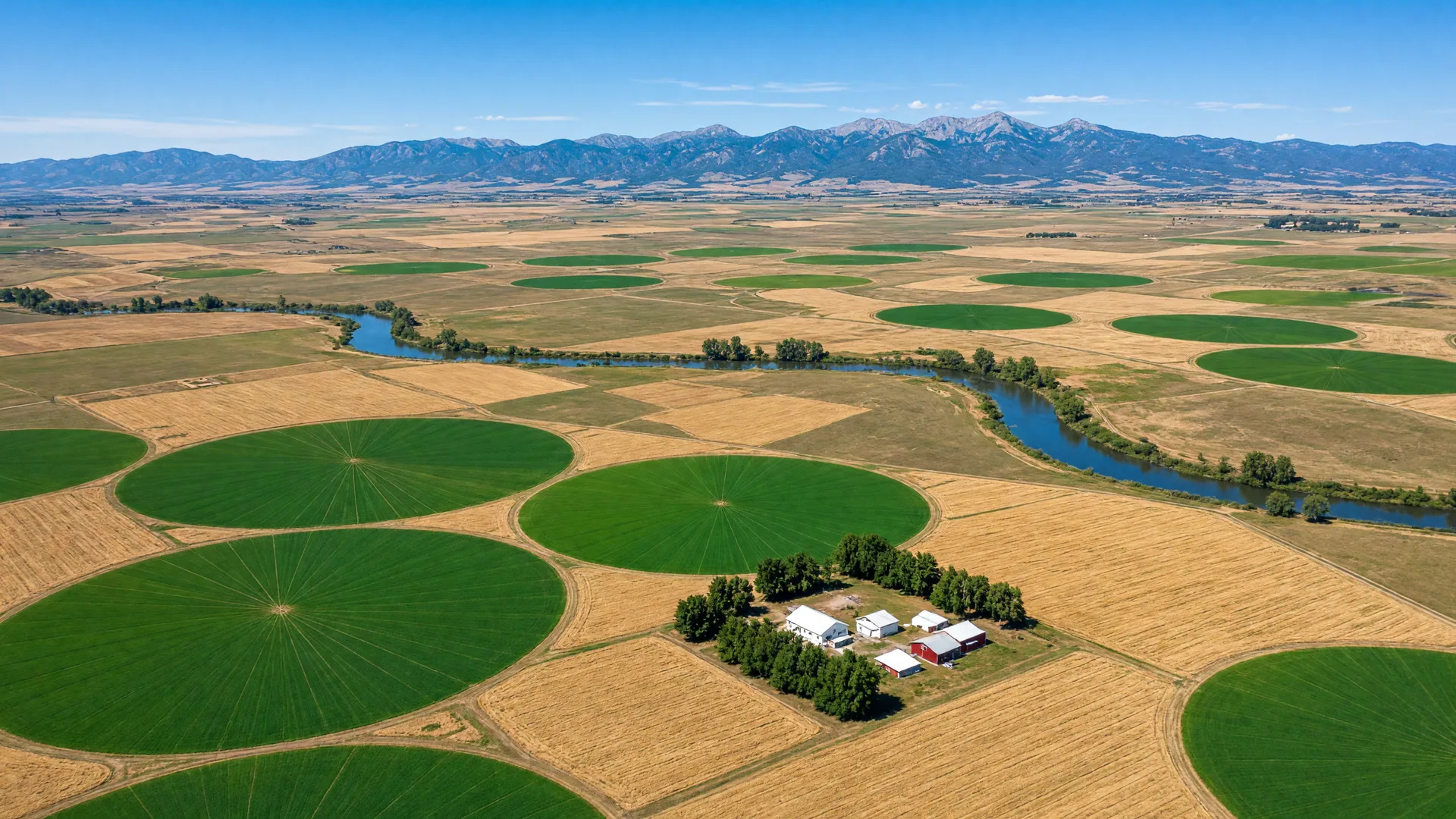
From irrigated crop ground and pasture to dry land and hobby farms, farm sales work when the price reflects what the land can produce. I price acreage off its soils, its water, and its improvements, not off nearby town lots.
I represent both buyers and sellers of farmland around Idaho Falls, Rigby, Ririe, and across the Upper Snake River Valley, and I have walked enough pivots, canal heads, and fence lines to know where the value hides.
- Irrigated and dry crop ground
- Ranches and livestock operations
- Hobby farms and acreage homes
- Acreage with room for a home
02
Water rights
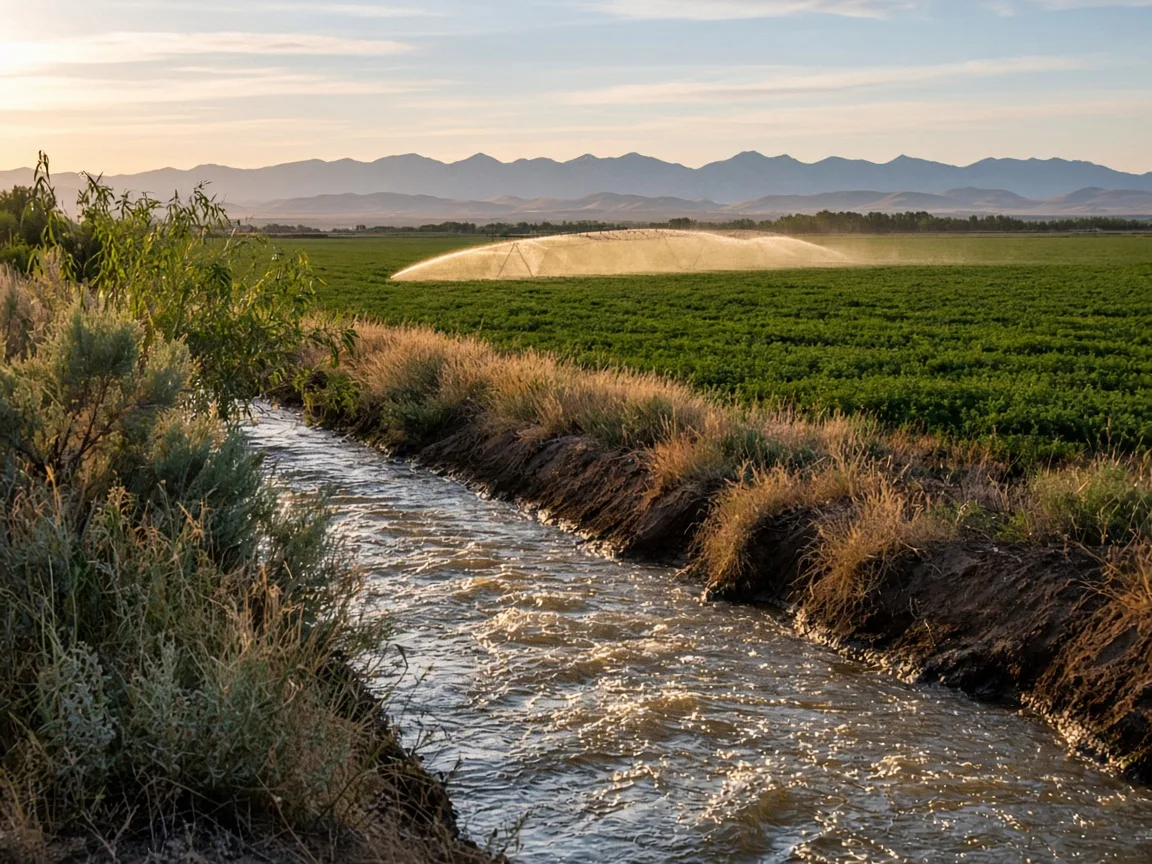
Idaho runs on prior appropriation: first in time, first in right. A water right is real property, so the priority date, point of diversion, place of use, and ownership all need to be verified on the IDWR public record before you buy.
I check the water right files on rural sales and walk buyers through canal company obligations, forfeiture risks, and the forms that transfer ownership after closing, including IDWR's Notice of Change in Water Right Ownership.
- Verify priority dates and place of use
- Review canal company and irrigation district terms
- Spot forfeiture and short-use risks
- File ownership changes after closing
03
Wells and irrigation
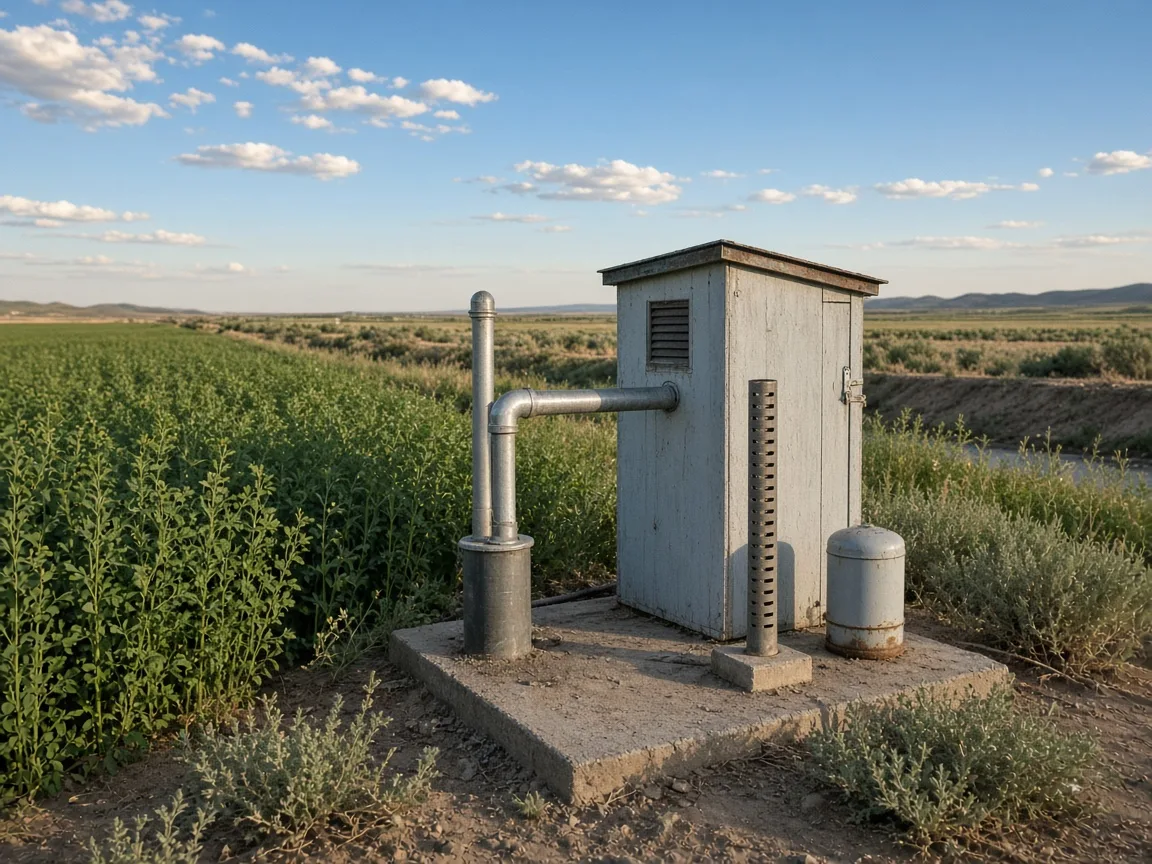
A well is a system: permit, construction, flow, static water level, pump, and pressure. I pull the IDWR well log on every listing with a well and ask the questions that keep you from discovering a dry season the hard way.
For irrigated places, I also review the irrigation method, whether the water right matches the acres, and what the pivot, wheel line, or flood system will cost to run and maintain year over year.
- Drilling permits and well logs (IDWR)
- Flow rates and static water levels
- Water quality testing plans
- Irrigation systems and upkeep costs
04
Horse properties
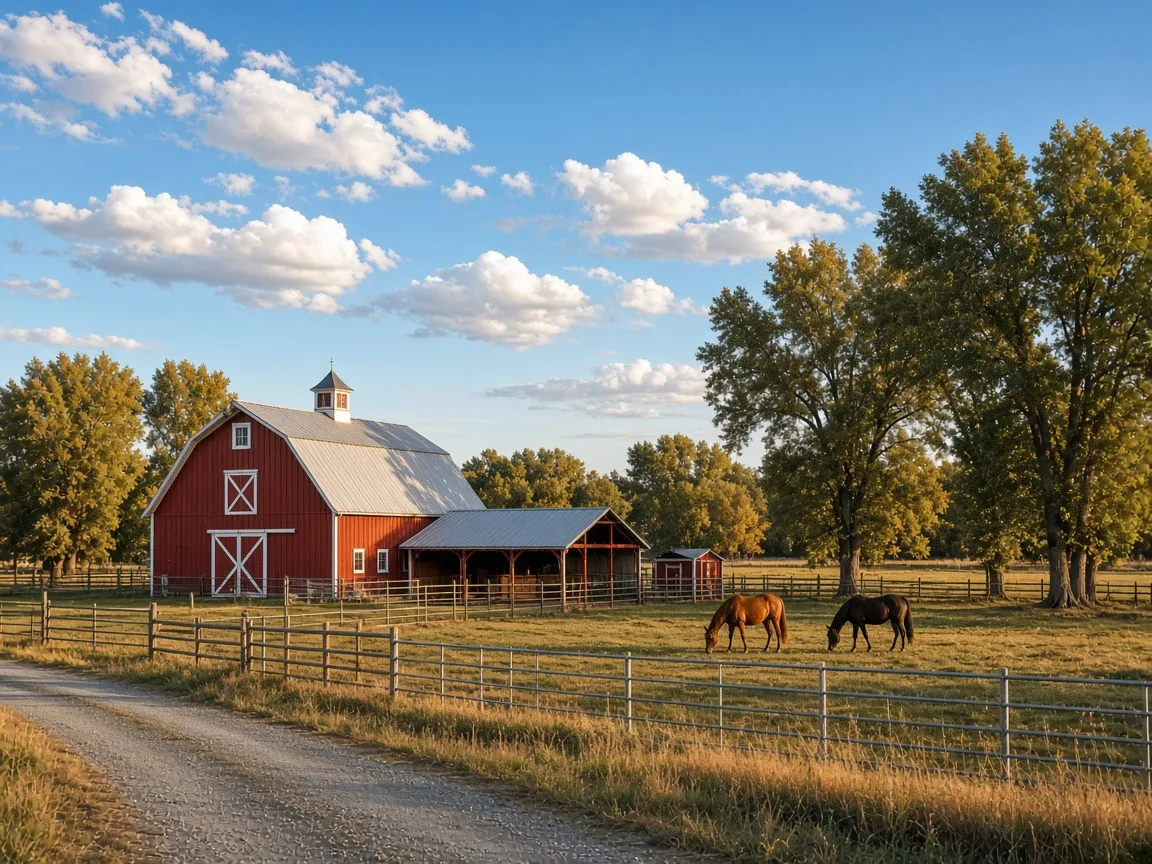
Horse properties sell on pasture, fencing, water at the barn, and room for hay. I evaluate the parts that keep horses safe and sound: safe fencing, frost-proof water, turnout and sacrifice areas, and barns built for Idaho winters.
Before you fall for the view, I confirm the county rules on livestock so you know exactly how many horses the property can legally carry, and whether boarding is even part of the plan.
- Pasture quality and carrying capacity
- Fencing suited to horses
- Water to paddocks and barns
- Zoning and boarding rules
Questions buyers ask
Answers worth having before the offer.
Do I need a separate water right to use a well?
A domestic well is exempt from holding its own water right only up to 13,000 gallons per day and half an acre of irrigation (Idaho Code 42-111). Any use beyond that falls under the water right system and needs its own paperwork. I confirm the well's legal position on every rural deal, just like the deed's.
What does first in time, first in right mean for my farm?
Idaho allocates water by priority date under the prior appropriation doctrine. In a dry year, the older, higher-priority rights are served first. Always ask what the priority date is and how that water held up in recent drought years before you price the place.
Can I resell or move a water right?
A water right is real property, and transferring it requires IDWR paperwork tied to the point of diversion and place of use. Confirm whether the right is appurtenant to the land you are buying or held separately, because the two transfer differently.
I am relocating to Eastern Idaho. Where do I start?
Start with a call. We talk about where you are coming from, how many acres you want, whether horses are part of the plan, and what the water situation needs to be. I help you learn the areas, arrange visits, and get the due diligence right even from out of state.
Is more acreage always better?
Not by itself. Irrigated acreage with a solid water right can outperform far larger dry pasture, because the value lives in the water, the soils, and the improvements. I price the place on what it can produce, not just how many acres the sign says.
Do you help out-of-state buyers?
Yes. I regularly work with buyers relocating to Eastern Idaho from out of state. I line up visits, video walkthroughs, and the right questions so you can buy with confidence from a distance, then close the water and well paperwork properly when you arrive.
These answers are general guidance, not legal advice. Your specific property deserves its own records check, which is exactly the dug-in research I do on every deal.
Every rural deal starts with one conversation.
Tell me what you are looking for, and I will tell you what it takes to get there, questions included.